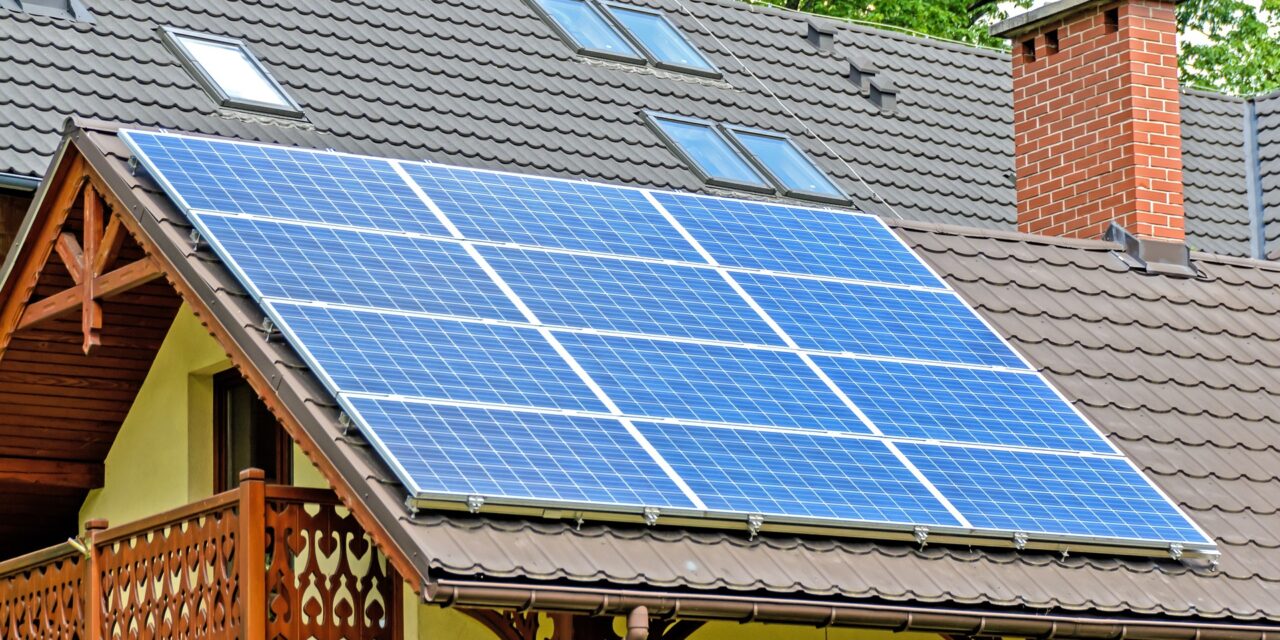
Solar panels convert energy sourced from the sun, creating electricity that can be used at home. They are quite the investment, but are cost effective in the long run by saving you money and also making it, by selling the captured electricity. Solar panels can produce between 250 and 400 watts per hour. Domestic panels can reach a capacity between 1kW and 3kW.
Do You Have Enough Space?
To fit solar panels on your roof, a lot of space is required. Typically, the system size is around 3.5kWP, which will take up around 20m2 of your roof space. Of course, a roof exposed to the sun and in an unshaded area is going to seize more energy. So, finding whether this would be effective for your roof is essential.
Your roof also needs to be in good condition. If you’re unsure whether solar panels are appropriate for your roof, getting an inspection done will put your mind at rest. If you have old tiles, you may want to research into getting these replaced before fitting solar panels.
Planning Permission
Although solar panels are commonly noted as ‘permitted development’, it is still best to check with your local council to offer guidance and support on this installation. If you do decide to go through and install solar panels at home, you must sign up with your Distribution Network Operator (DNO). This is the company who owns and operates power lines.
Cut Electricity Bills
Getting solar panels can help cut your electricity bills, which is great in the long term. As sunlight is free, you only have to pay for the solar panel installation before watching your bills reduce. Of course, the first wall is to pay the high prices of the solar panels themselves.
If you’re searching for ways of using renewable energy in your home, solar panels do just that. A solar panel system in your home can save around one tonne of carbon every year.
Are You Planning On Relocating?
If you’re planning on moving house after getting solar panels fitted, then they might not be the best option for you. Although it is possible to move solar panels, the cost of this will be large, and so may not be worth the hassle. You will also have to repair the roof and reinstallation prices won’t be at a low cost.
Roof Types
Solar panels work best on roofs that are South facing, with standing seam metal. The most common type of shingle used on roofs is Asphalt, which provides a long life span, great protection and can be a simple installation process. So, if you are planning on fitting a new roof before getting solar panels, then Asphalt may be one to look into!